
Satu Keluarga Tewas Saat Glamping di Temanggung Dimakamkan Berdampingan
Satu Keluarga Tewas saat Glamping di Temanggung – Kamis (28/5/2026) sore, suasana yang penuh rasa kehilangan menghiasi upacara pemakaman empat jenazah dari satu keluarga di Dusun Bendosari, Desa Kebumen, Kecamatan Banyubiru, Kabupaten Semarang, Jawa Tengah. Keempat korban, yang ditemukan dalam kondisi meninggal dunia di dalam tenda, kini bergabung dalam perjalanan terakhir menuju tempat peristirahatan terakhir di TPU Sorogeni, Desa Kebumen. Meskipun hujan deras mengguyur lokasi, ratusan warga tetap berbondong-bondong mengiringi prosesi pemakaman, memadati area masjid hingga membanjiri halaman luar. Jenazah keempat orang tersebut, yang terdiri dari pasangan M Ali Munawar dan Magfiroh Alvira, serta dua putra mereka, Bagas Amar Hakiki dan Alvino Evan Hakim, digotong secara beriringan oleh masyarakat sebelum disholatkan bersama.
Kelompok wisatawan ini memilih kawasan Posong, Kabupaten Temanggung, sebagai tempat menginap saat berlibur. Tempat tersebut, yang terkenal sebagai lokasi wisata alam populer, menjadi tempat kejadian peristiwa yang mengejutkan. Semua korban ditemukan dalam kondisi kaku tubuh, menandakan kematian yang terjadi secara mendadak. Sebelumnya, jenazah dibawa menggunakan empat unit mobil ambulans, memperlihatkan kecemasan awal pihak penyelamat. Pemakaman yang berlangsung dengan antusias ini tidak hanya menjadi perayaan akhir dari keempat korban, tetapi juga menggambarkan dukungan komunitas terhadap keluarga yang ditinggalkan.
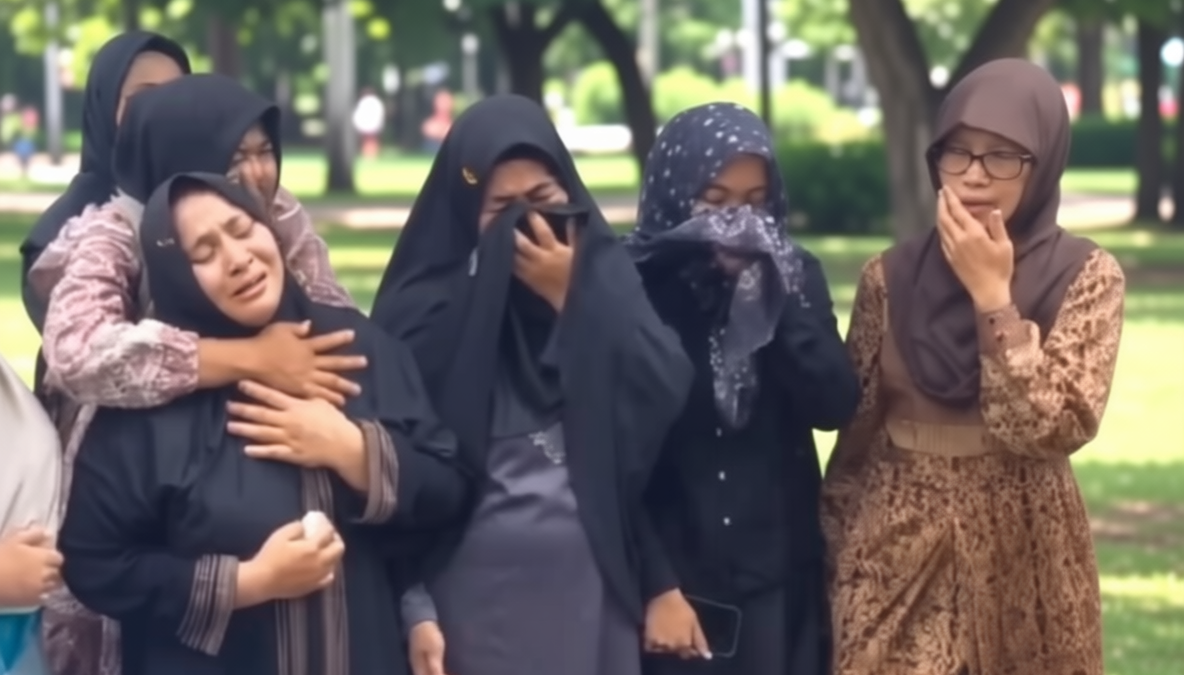
Di tengah prosesi, warga Desa Kebumen menunjukkan kepedulian yang tinggi. Masjid Nurul Khasanah, tempat jenazah disholatkan secara berjamaah, menjadi pusat perhatian masyarakat. Ratusan orang, termasuk sahabat dan kerabat, berdiri rapi sepanjang acara, menunjukkan keharuan yang mendalam. Salah satu warga, Leo Nanda, mengungkapkan kesedihan yang luar biasa atas kepergian Bagas Amar Hakiki, yang dianggap sebagai sosok pemuda ramah dan berbakat. “Bagas adalah sosok yang sangat baik, selalu membantu dan menyenangkan berada di sekitarnya,” katanya, sambil mengingat kenangan bersama korban.
“Kami dari pihak keluarga terpukul sekali dengan musibah ini. Kami sangat berharap pihak kepolisian bisa segera mengungkap misteri kematian dan apa penyebab pasti yang membuat keempat keluarga kami ini meninggal di dalam tenda,” ujar As’adi, perwakilan keluarga korban.
Keluarga yang kehilangan empat anggota ini menyampaikan keraguan terhadap penyebab kematian. Mereka berharap pihak penyidik bisa menemukan jawaban yang jelas mengenai kejadian yang terjadi secara tiba-tiba. “Kami ingin mengetahui apakah ada faktor alamiah atau kecelakaan yang mengakibatkan kematian mereka,” tambah As’adi. Dalam penjelasannya, ia menekankan pentingnya investigasi yang transparan dan cepat untuk memberikan kepastian kepada publik.
Meskipun hujan deras mengguyur tempat pemakaman, hal itu tidak menghalangi rasa persatuan yang tercipta antara warga dan keluarga korban. Mereka bersama-sama mengantarkan jenazah ke liang lahad, seolah berusaha menghargai kepergian keempat anggota keluarga tersebut. Pemakaman yang berlangsung dengan hening dan serius ini menjadi simbol kepedulian masyarakat terhadap korban yang tak terduga.
Sebelumnya, pihak kepolisian dan tim forensik masih menyelidiki penyebab kematian. Jajaran Satreskrim Polres Temanggung, bersama dengan Laboratorium Forensik Polda Jawa Tengah, terus memeriksa bukti-bukti yang ditemukan di Posong. Proses autopsi dan pemeriksaan medis dilakukan untuk memastikan apakah kematian keempat korban terjadi akibat faktor alam, seperti kecelakaan atau serangan alergi, ataukah ada faktor lain yang memicu tragedi tersebut.
Di sisi lain, kejadian ini menarik perhatian banyak pihak, termasuk pengelola wisata di Temanggung. Mereka berharap bisa menyelidiki lebih lanjut keamanan dan fasilitas di area glamping tersebut, agar tidak terulang lagi. “Kami akan memperketat pengawasan di Posong, khususnya pada waktu malam hari, karena kejadian terjadi di luar jam sibuk,” kata seorang perwakilan dari pengelola tempat wisata.
Glamping, atau penginapan alam, menjadi trend yang semakin populer di Jawa Tengah. Masyarakat berbondong-bondong ke lokasi seperti Posong untuk menikmati suasana alam yang tenang dan sejuk. Namun, kejadian ini memberi pelajaran penting tentang risiko yang mungkin tersembunyi di balik kegiatan yang seolah aman. Meskipun cuaca dan fasilitas menjadi faktor utama, tidak menutup kemungkinan bahwa kejadian ini bisa terkait dengan kondisi fisik korban atau kurangnya kesadaran akan potensi bahaya di alam terbuka.
Keluarga yang ditinggalkan oleh keempat anggota mereka kini menghadapi tantangan besar. Selain duka yang dalam, mereka juga harus berhadapan dengan pertanyaan masyarakat tentang penyebab kematian yang tiba-tiba. “Kami ingin memahami setiap detail agar bisa menjelaskan kejadian ini dengan jelas,” ujar As’adi, sambil menunjukkan jenazah yang telah ditempatkan di dalam kubur.
Dalam beberapa hari terakhir, berita tentang keempat jenazah ini menjadi topik hangat di kalangan masyarakat. Banyak orang menyampaikan kecaman, kesedihan, dan doa untuk para korban. Tidak hanya itu, kejadian ini juga memicu perdebatan mengenai keselamatan wisatawan di tempat-tempat alam. “Ini menjadi pengingat bahwa bahkan di lokasi yang terlihat aman, risiko tetap bisa terjadi,” kata seorang tokoh masyarakat setempat.
Dengan prosesi pemakaman yang harmonis, masyarakat berharap bisa menemukan kejelasan tentang keempat jenazah yang telah berpulang. Mereka menantikan hasil investigasi agar bisa memberikan penjelasan yang memuaskan kepada keluarga dan masyarakat luas. Meski jalan ke penjelasan masih panjang, dukungan dari seluruh lapisan masyarakat menjadi penguat bagi keluarga yang kehilangan empat anggota.
Sementara itu, lingkungan sekitar TPU Sorogeni menunjukkan keharuan yang serupa. Setiap sudut kuburan dihiasi bunga dan doa, sebagai bentuk penghormatan terakhir. Keempat jenazah dimakamkan berdampingan, menandakan bahwa mereka terikat oleh hubungan keluarga yang erat. Sejumlah warga juga mengungkapkan harapan agar kejadian ini bisa menjadi bahan evaluasi untuk meningkatkan kualitas pelayanan dan keselamatan di tempat-tempat wisata.
Bagi masyarakat Desa Kebumen, keempat jenazah ini adalah bagian dari komunitas mereka. Mereka tidak hanya menyampaikan dukungan, tetapi juga berkomitmen untuk tetap mengingat peristiwa tragis ini. “Semoga kejadian ini menjadi peringatan bagi yang lain, dan kami akan terus mendukung keluarga yang ditinggalkan,” kata salah satu warga. Dengan proses pemakaman yang berlangsung lancar, harapan untuk kejelasan tetap terbuka, meskipun prosesnya memakan waktu.
Dalam upacara pemakaman, peserta mengingat kembali kenangan indah bersama para korban. Bagas Amar Hakiki, yang meninggal dunia dalam kejadian ini, dikenang sebagai sosok yang penuh semangat dan peduli. Alvino Evan Hakim, yang juga pergi meninggalkan dunia, memiliki jiwa yang penuh cinta. M Ali Munawar dan Magfiroh Alvira, sebagai orang tua, dikenang karena perannya sebagai penjaga keluarga dan sumber kebahagiaan.
Editor: Kastolani Marzuki