Main Agenda: Dizalimi di Eropa, Peneliti Indonesia Dirayu dan Dibajak China
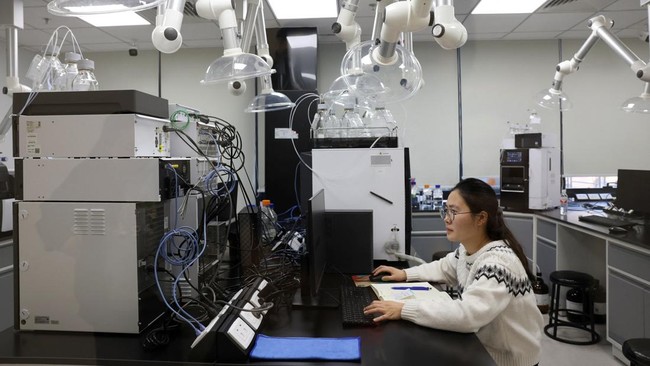
Indonesia Researcher Finds New Opportunity in China After European Challenges
China’s ascent as a global biotech innovation hub has shifted focus from Europe, leaving some Indonesian researchers like Bramasta Nugraha in a difficult position. After facing unfavorable treatment in a European firm, Bramasta was approached by a Chinese company with a more enticing salary offer. His work on cardiovascular cell therapy had already attracted the attention of pharmaceutical giant Novo Nordisk, but the changes in policy triggered by U.S. President Donald Trump’s tariffs disrupted the progress.
Bramasta’s Journey in European Biotech Industry
Having spent years working in biotechnology across Europe—Switzerland, Sweden, and Denmark—Bramasta’s research caught the eye of Novo Nordisk. However, the abrupt decision to suspend the cell therapy development unit worldwide, including his project in Copenhagen, came just weeks after 9,000 employees were laid off in September 2025. The new management’s focus on closing all cell therapy initiatives left Bramasta and his peers in shock.
“Semua jadi berubah, [CEO yang baru] enggak suportif lagi. Semua cell therapy, di AS, Denmark, semuanya ditutup. Sepertinya manajemen yang baru ini pengin banget semuanya ditutup sekarang. Hanya dalam 2 minggu, tidak ada transisi,” katanya kepada CNBC Indonesia.
Sudden Policy Changes at Novo Nordisk
The abrupt policy shift at Novo Nordisk caught Bramasta and other international researchers off guard. Especially since many of them, including himself, had not yet secured permanent residency status in Denmark, the sudden termination of their projects forced them to leave within months. He described the situation as being “thrown out” and given a job seeker visa instead of a long-term residency.
“Kita seolah-olah dibuang, harus cabut dalam beberapa bulan dan hanya diberikan job seeker visa. Terimbas ribuan orang,” kata Bramasta.
Chinese Aggressive Recruitment Strategy
Amid the uncertainty, Chinese companies emerged as a new opportunity. According to CNBC Internasional, China now leads in pharmaceutical and biotech innovation. The aggressive recruitment efforts by Chinese consultants attracted global talent, including Bramasta. The salaries offered were significantly higher than what he had previously earned, even surpassing those from major international firms. Additionally, the Chinese government and provincial authorities provided signing bonuses to overseas professionals, creating a mutually beneficial arrangement.
China’s Rapid Biotech Growth and Educational Approach
China’s rapid development in the biotech sector has become evident over the past 14 years since Bramasta last visited the country. The nation’s high-tech infrastructure and scientific capabilities now rival the best in other regions. Bramasta noted that China’s education system produces skilled talents but emphasizes memorization over creativity, which he believes makes it ideal for leveraging advanced facilities. “Di China pendidikan itu dipaksa mengingat. Di Eropa, terbiasa untuk kreatif, bukan karena diingat,” tambahnya.
With the “5 Star Visa” offered by China, researchers enjoy greater independence compared to European work visas. The visa allows for ten-year renewals and provides privileges similar to Chinese citizens, even though it doesn’t grant full citizenship. Bramasta highlighted this as a major advantage, offering flexibility that aligns with his career goals.
Data from ING shows that China’s contribution to global pharmaceutical innovation has surged, with nearly one-third of new molecules used in drugs worldwide originating from the country. This growth underscores China’s increasing influence in the field, even as European firms face challenges in maintaining their competitive edge.